
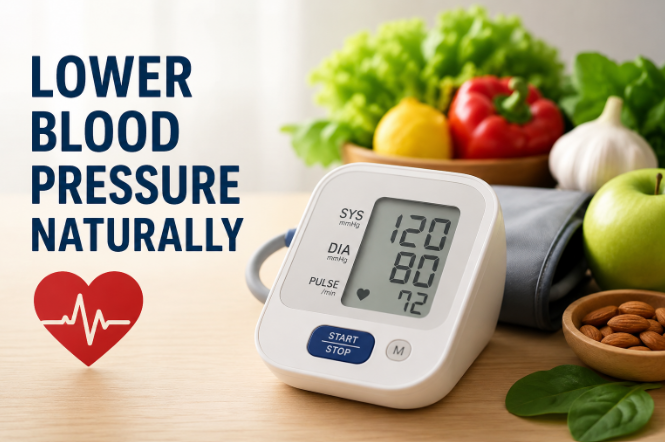
High blood pressure is one of those health problems that often develops quietly. Many people do not notice any symptoms until it starts affecting their heart, kidneys, or blood vessels. This is why it is often called a silent condition.
Blood pressure measures the force of blood pushing against the walls of your arteries. When that pressure stays higher than normal for a long time, it can increase the risk of heart disease, stroke, and other health complications.
The good news is that daily habits can make a real difference. Regular exercise, healthier food choices, better sleep, and stress management may help support healthy blood pressure levels. These lifestyle changes are often recommended alongside medical treatment.
Many people look for home remedies for high blood pressure because they want natural ways to improve their health. While certain habits and dietary changes may help, prescribed medications should never be stopped or changed without speaking to a doctor. The best approach is usually a combination of medical advice and long-term lifestyle improvements.
Why Blood Pressure Increases
Several factors can contribute to higher blood pressure over time.
Eating too much salt is one of the most common causes. A high-sodium diet can cause the body to retain extra fluid, which places additional pressure on blood vessels.
Lack of physical activity also plays a role. When the body becomes inactive, the heart and blood vessels may not function as efficiently as they should.
Carrying excess weight can make the heart work harder to pump blood throughout the body. Even a small amount of weight loss may support better blood pressure control.
Stress is another factor that is often overlooked. Ongoing stress can lead to temporary increases in blood pressure and may encourage unhealthy habits such as overeating or poor sleep.
Smoking and excessive alcohol consumption can damage blood vessels over time, making it harder for the cardiovascular system to function properly.
Sleep matters as well. People who regularly sleep poorly or get fewer than seven hours of rest may experience changes in blood pressure levels over time.
Home Remedies High Blood Pressure
Managing high blood pressure does not always require drastic changes. In many cases, small adjustments to daily habits can make a noticeable difference over time. The key is consistency rather than trying multiple remedies at once.
Regular exercise is one of the simplest ways to support heart health. Activities such as walking, cycling, swimming, or even dancing can help improve blood circulation and strengthen the heart. Experts generally recommend at least 30 minutes of moderate physical activity on most days of the week. You do not need a gym membership to stay active. A daily walk after dinner or taking the stairs more often can also help.
Food choices matter just as much as exercise. The DASH diet, which stands for Dietary Approaches to Stop Hypertension, focuses on fruits, vegetables, whole grains, lean proteins, and low-fat dairy products. This eating pattern encourages balanced meals while limiting processed foods and saturated fats.
Reducing sodium intake is another important step. Many packaged foods, snacks, and restaurant meals contain large amounts of salt. Reading food labels, cooking at home more often, and using herbs or spices for flavor can help lower sodium intake without making meals boring.
Potassium-rich foods may also support healthy blood pressure levels. Foods such as bananas, spinach, sweet potatoes, beans, and avocados help balance the effects of sodium in the body. Including these foods regularly can be a simple addition to a healthy diet.
Maintaining a healthy weight can reduce the workload on the heart. Even modest weight loss may improve blood pressure in people who are overweight. Instead of focusing on strict diets, long-term eating habits and regular activity often produce better results.
Stress should not be ignored either. Constant pressure from work, finances, or daily responsibilities can affect both physical and mental health. Deep breathing, meditation, hobbies, or simply taking time to relax may help manage stress levels.
| Habit | Possible Benefit |
|---|---|
| Exercise | Better heart health |
| Less salt | Lower fluid retention |
| Healthy diet | Improved circulation |
| Stress management | Reduced pressure spikes |
When to See a Doctor
Lifestyle changes can support healthy blood pressure, but they are not always enough on their own. In some situations, medical attention is necessary.
A blood pressure reading above 180/120 mmHg is considered extremely high and may require immediate medical care. If a reading stays at this level after a few minutes, it should not be ignored.
Certain symptoms can also be warning signs. Chest pain, difficulty breathing, sudden vision changes, severe headaches, or weakness on one side of the body may indicate a serious health problem. These symptoms require prompt medical attention.
People who already take blood pressure medication should continue following their doctor’s advice. Stopping medication without professional guidance can sometimes cause blood pressure to rise quickly.
Regular health checkups are also important, especially for adults with a family history of hypertension, diabetes, or heart disease. Monitoring blood pressure at home can help track changes and provide useful information during medical appointments.
Final Thoughts
Managing blood pressure often comes down to the small choices made each day. Going for a walk, eating balanced meals, reducing salt intake, getting enough sleep, and finding ways to manage stress may all contribute to better heart health.
Results rarely happen overnight. Consistency is usually more important than making major changes for a short period of time. Healthy habits become more effective when they are maintained over weeks and months.
Natural remedies can support blood pressure management, but they should be viewed as part of an overall treatment plan rather than a replacement for medical care. Working with a healthcare professional can help determine the best approach for individual needs.
Checking blood pressure regularly and paying attention to changes can make it easier to take action early and protect long-term health.
Small lifestyle changes can make a meaningful difference over time. Along with managing blood pressure, adopting healthy daily habits may also support overall wellness. For example, natural approaches used for conditions such as lymphedema or stress relief often focus on similar principles, including exercise, relaxation, and self-care.
