
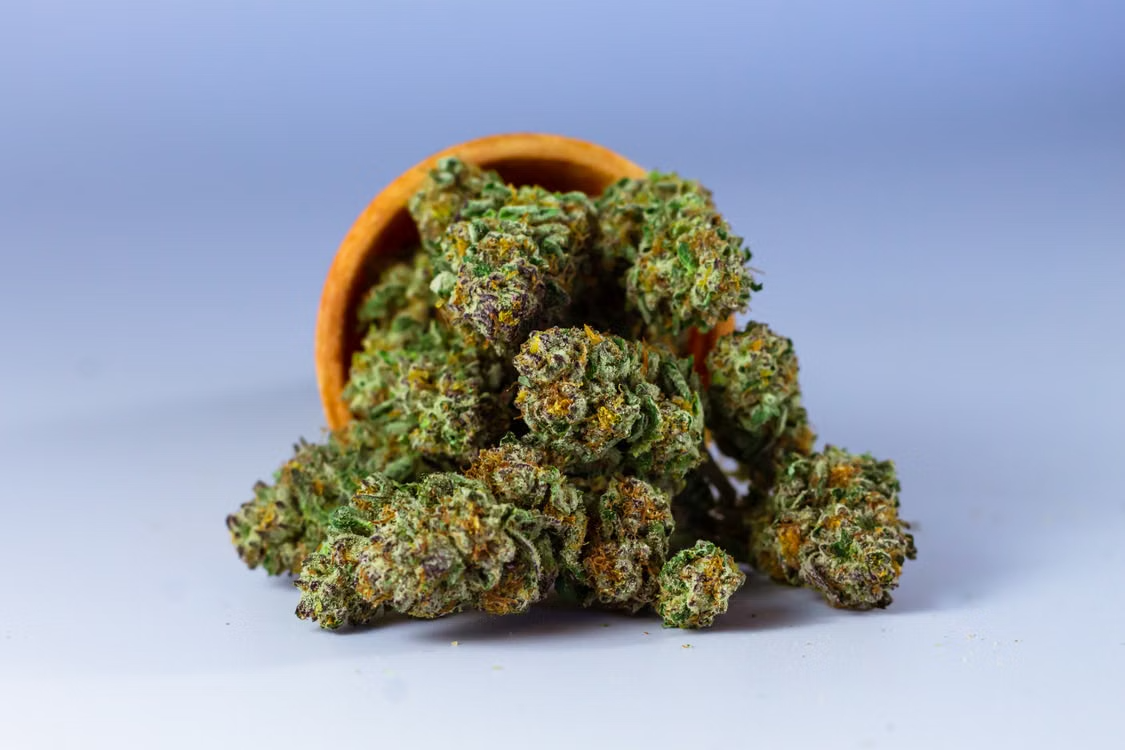
When people talk about cannabis, THC and CBD are usually the first compounds that come to mind. However, the plant contains many other compounds that are now getting attention. THCA, CBG and CBN are some of the names people may come across while reading about cannabis.
So, why are people becoming interested in these compounds? One reason is that cannabis research is no longer limited to just THC and CBD. Scientists are looking at other parts of the plant to understand what they contain and how they differ. At the same time, more information is available online, making people curious about compounds they may not have heard of before.
Although these names are often mentioned together, they are not the same. Each has its own properties and needs to be understood separately. Let’s look at what makes these compounds different and why they are becoming part of the wider conversation about cannabis.
What Are the Different Compounds Found in Cannabis?
Cannabis is a plant with many naturally occurring compounds. Cannabinoids are one of the main groups of compounds found in cannabis. THC, CBD, THCA, CBG and CBN are some examples. The plant also contains terpenes and flavonoids, which are found in many other plants too.
These compounds are not present in the same amounts in every cannabis plant. Their levels can vary depending on the plant variety and growing conditions. This is why two cannabis samples may have different compositions.
Why Are Cannabinoids Important to Understand?
Cannabinoids are often discussed because they have different chemical properties. For example, THC is known for its mind-altering effects, while CBD does not cause the same high. THCA is another compound found in cannabis, but it has a different chemical form from THC.
According to the CDC, cannabis contains more than 100 cannabinoids. Researchers study these compounds to understand how they differ and how they interact with the body.
What Is THCA and Why Is It Getting Attention?
THCA stands for tetrahydrocannabinolic acid. It is found naturally in cannabis, especially in fresh or unheated plant material. Although its name is similar to THC, the two compounds are not the same.
How Is THCA Different from THC?
The main difference is their chemical structure. THCA has an extra acid group that THC does not have. When cannabis is exposed to enough heat, THCA can change into THC through a process called decarboxylation.
This is why the two names matter when reading about cannabis. THCA is often discussed in relation to raw or unheated cannabis, while THC is linked to the effects commonly associated with cannabis use. The CDC explains that heating changes THCA into THC.
Why Are More People Talking About THCA?
THCA is getting more attention because people are learning that cannabis contains more than just THC and CBD. They may come across it in articles, product descriptions or discussions about different cannabis varieties.
For example, THCA flower is a term used for cannabis flower that contains THCA. People researching cannabis may come across this term while trying to understand the differences between various cannabis products. However, the name alone does not explain exactly which compounds are present in the flower.
Getting to Know Other Cannabis Compounds
THCA is not the only compound receiving attention. CBD, CBG, CBN and other substances also come up in cannabis-related discussions. Understanding their basic differences makes it easier to follow these conversations.
CBD and THC
CBD, also known as cannabidiol, is one of the most widely discussed cannabis compounds. It does not cause the high associated with THC. This difference is one reason the two are often compared in articles about cannabis.
THC, or tetrahydrocannabinol, is the main compound responsible for the intoxicating effects of cannabis. It can affect how a person thinks, feels and reacts. The effects can vary depending on the amount and form of cannabis used.
What Are CBG and CBN?
CBG stands for cannabigerol. Its acidic form, CBGA, plays an important role in the formation of other cannabinoids, including THCA and CBDA. This is why CBGA is sometimes called a precursor of other cannabinoids.
CBN, or cannabinol, is another compound found in cannabis. It can form as THC breaks down over time. Both CBG and CBN are being studied, but there is still much to learn about their effects in people.
What About Terpenes?
Cannabis also contains terpenes, which are natural compounds found in many plants. They are responsible for many familiar smells, such as the scent of citrus fruits, pine and herbs. Different cannabis varieties can have different terpene profiles, giving them their own smells.
Why Is Interest in These Cannabis Compounds Growing?
There are several reasons why more people are asking questions about THCA, CBD, CBG and other cannabis compounds. It is not just about one new product or trend. The wider interest is connected to research, public awareness and changing conversations around cannabis.
More Research Beyond THC and CBD
For a long time, most general discussions about cannabis focused on THC and CBD. Now, researchers are also looking at other cannabinoids to understand their chemical structure and properties.
However, finding a compound in a plant is not the same as proving that it has a particular health effect. Each compound needs to be studied on its own.
More Information Available Online
People can now find articles, videos and research summaries about different cannabis compounds more easily. This has made names such as THCA and CBG more familiar to readers who may previously have known only about THC and CBD.
Product labels and online discussions have also brought attention to these names. But not everything shared online is correct. Some claims are based on early research, while others may not have enough evidence behind them.
Changing Laws and Public Discussions
Cannabis laws have changed in some parts of the world, which has led to more public discussion about the plant. Rules are still different from one country or region to another. As a result, people are asking more questions about cannabis, its compounds and how different products are described.
These changes have also brought more attention to the need for clear information. Understanding the basic differences between cannabinoids can help readers follow these discussions without mixing up one compound with another.
What Should You Know Before Believing Cannabis-Related Claims?
With so much information available, it can be difficult to tell which cannabis claims are supported by research. A simple way to start is to look at the type of study behind the claim.
Not All Research Gives the Same Answers
Some studies take place in labs to see how a compound behaves. Others are done on animals or people to learn more about its effects.
However, results from lab or animal studies do not always apply to humans. Researchers have studied THC and CBD more than many other cannabinoids. There is still more to learn about compounds such as THCA and CBG.
Check Where the Information Comes From
When reading about cannabis, check who published the information. Government health websites and scientific journals are useful places to find research-based facts. Be careful with articles or product descriptions that make health claims without proper evidence.
The CDC’s cannabis information is one useful place to start. It can help readers learn about cannabis and its possible effects.
Conclusion
Cannabis contains many different compounds, and researchers are still learning about them. While THC and CBD are more widely known, other compounds such as THCA, CBG and CBN are also getting attention.
Not every claim about cannabis is backed by research. Checking facts and reading information from reliable sources can help readers understand these compounds better. As more studies are carried out, researchers may learn more about how these compounds work and how they differ.
Disclaimer: CBD products are not intended to diagnose, treat, or prevent any diseases.
