
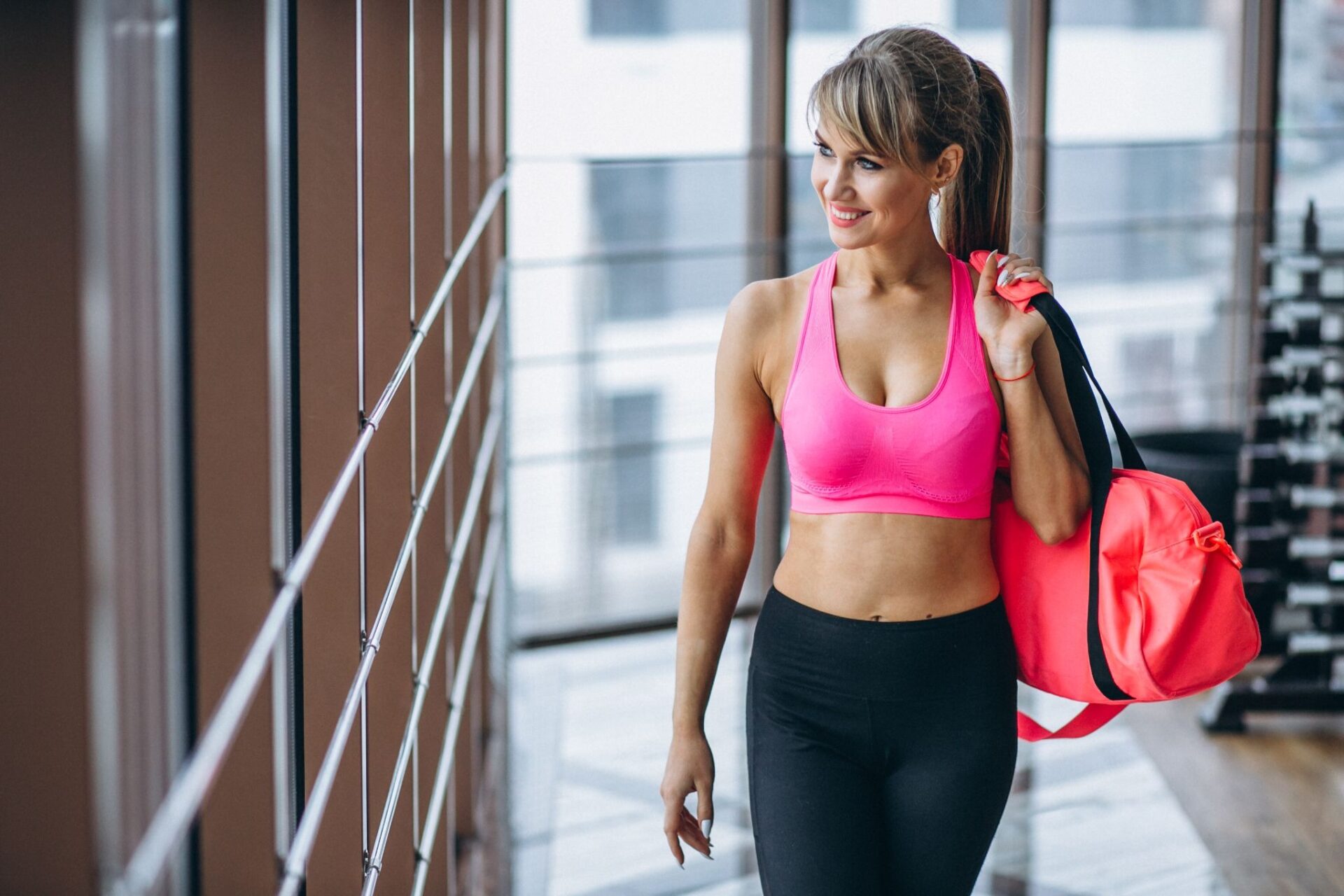
There are many women who realise that their sports bra is slowly suffocating their ribcage, or worse, doing absolutely nothing to stop the bounce while they are midway through their workout routine. And if you have experienced it too, this one is for you!
While a great pair of leggings usually gets all the glory, a good sports bra is secretly the most important piece of workout gear you will ever buy. But with entire walls of options at the store, picking the right one can feel weirdly overwhelming.
Keep reading to know how to find a gym bra that actually fits, keeps you comfortable, and does its job while you move.
Why Your Regular Everyday Bra Is Not Good For Workout?
It is super tempting to throw on an old T-shirt bra for a quick gym session, but everyday bras just aren’t built for exercise. Everyday bras are designed to hold your chest against normal down-and-up gravity when you walk or sit.When you work out, your body moves in every possible direction at once. That extra bounce puts a lot of stress on your delicate connective tissue. Unlike muscles, once those natural support tissues stretch out, they do not bounce back. A solid sports bra holds everything securely so you can move without soreness or long-term strain.
Step 1: Match the Bra to How You Actually Move:
The easiest way to know and finalise your sports bra is by looking at what kind of workout you are actually doing.
Sports bras generally fall into three main categories:
Light Support: For Slow and Mindful MovementLight-impact bras give you soft, flexible comfort. They provide a gentle hold without squeezing your chest, letting your lungs expand fully while you stretch.
- Best for: Yoga, Pilates, walking, barre, or just lounging around.
- What to look for: Thin straps, super stretchy fabrics, minimal padding, and low-cut necklines.
Medium Support: For General Fitness and LiftingMedium-impact bras give you a nice balance of hold and flexibility. They compress your chest enough to handle moderate bounce while still giving your arms full freedom to move.
- Best for: Weightlifting, cycling, rowing, spinning, and general gym machines.
- What to look for: Wider shoulder straps, a firmer rib band, and a bit more coverage across the front.
High Support: For Fast, High-Bounce ActivityHigh-impact bras are maximum-security gear. They are engineered to lock everything down so you can run, jump, and pivot without any painful movement or distraction.
- Best for: Running, HIIT workouts, jumping rope, boxing, and dance cardio.
- What to look for: Wide padded straps, broad under-bust bands, moulded cups, and back hooks for a custom fit.
Step 2: Pick the Right Style for Your Body:
Not all high-support bras handle weight the same way. When browsing for performance lingerie for women, you will mostly run into two main designs on the rack:
Compression Bras (The Squish Method): Compression bras work by pressing your chest tissue flat against your body to limit movement as one unit. They usually pull right over your head like a tight crop top.
- Great if: You have a smaller to medium cup size, or prefer low-to-medium impact workouts where you want a simple, snug fit.
Encapsulation Bras (The Cup Method): Encapsulation bras feature two separate cups that surround and support each side individually, just like a traditional structured bra. They do not rely on squishing you flat to keep you still.
- Great if: You have a fuller bust, or do high-impact running where separating and securing each side cuts down on bounce dramatically.Many modern sports bras actually use a mix of both: individual cups on the inside with a smooth compression layer over the top.
Step 3: Check the Details That Matter:
Once you are done knowing your support level, you need to look out for small design details before heading to the register:
Ditch the Pure Cotton: Cotton absorbs sweat like a sponge, gets heavy, and stays cold against your skin. Look for moisture-wicking synthetic fabrics like nylon, polyester, and spandex that dry fast.
Focus on the Bottom Band: Believe it or not, the bottom band does about 80 per cent of the actual supporting work. Make sure it sits flat and firm against your ribs so it does not ride up when you lift your arms overhead.
Racerbacks vs Straight Straps: Racerbacks (straps that cross into a Y-shape between your shoulder blades) pull the bra closer to your chest and keep your shoulder joints completely free for lifting. Straight straps are much easier to slide off when you are sweaty after a tough workout.
Step 4: The 30-Second Fitting Room Test:
A bra can look great on the hanger, but you get to know the reality only when you put it on. Before taking the tags off, run through this quick checklist:
The Two-Finger Check: Slide two fingers under the bottom band and under the shoulder straps. It should feel snug and secure, but you should still be able to slide your fingers through without fighting the fabric.
The Overhead Stretch: Raise both arms straight up in the air. If the bottom band rides up over your chest, the band is too loose, and you need to size down.
The Jumping Jack Test: Do a few quick jumping jacks or jog on the spot in the fitting room. If you feel uncomfortable bouncing or catch yourself spilling out over the top, go up a support level or try a different cup size.
Conclusion
So, the best gym bra is the one you completely forget you are wearing once your workout gets started. When your gear fits right and holds up to your favourite routine, you can focus on crushing your session instead of adjusting your straps.
