
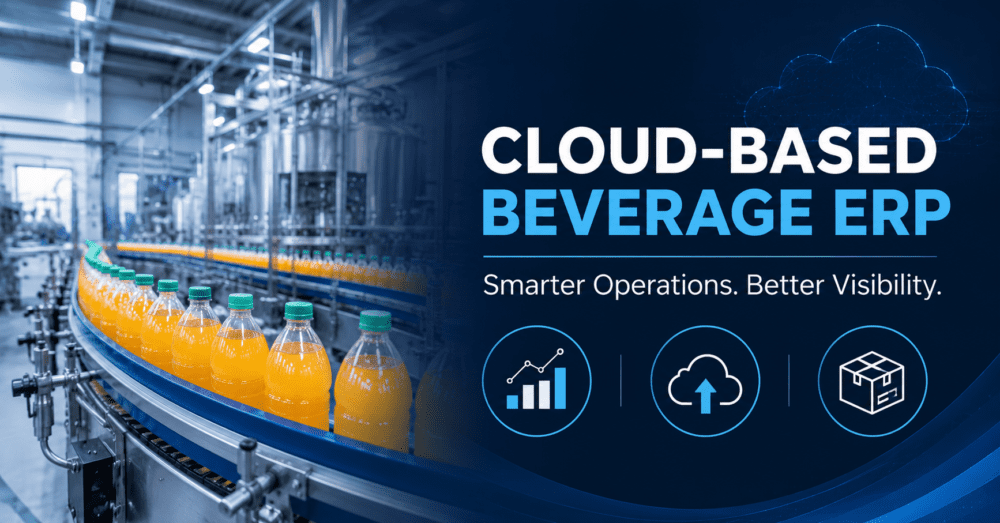
In the rapidly evolving beverage industry, manufacturers constantly seek ways to enhance efficiency, streamline operations, and stay competitive. With the increasing demand for real-time data access and improved collaboration, cloud-based ERP (Enterprise Resource Planning) solutions have emerged as a game-changer for the industry. This article explores why leading beverage manufacturers are making the shift to cloud-based ERP systems, highlighting the key features and benefits that drive this transition.
Why Beverage Manufacturers Are Transitioning to Cloud-Based ERP Solutions
The beverage industry is characterized by intense competition and the need for agility in responding to market demands. Traditional ERP systems often fall short due to their lack of flexibility and high maintenance costs. Cloud-based solutions, on the other hand, offer significant advantages. For instance, Agile Sprint Planning enables manufacturers to quickly adapt to changes in production schedules and market requirements. This agility ensures that companies can maintain a competitive edge by responding swiftly to consumer trends. Additionally, using Beverage Erp Software greatly enhances operational efficiency.
Furthermore, the integration of DevOps Pipeline capabilities within cloud-based ERP systems enhances collaboration across departments. This integration facilitates seamless communication between development and operations teams, ensuring that new features and updates are deployed efficiently. As a result, manufacturers can reduce the time-to-market for new products and innovations, which is crucial in a fast-paced industry.
Additionally, cloud-based ERP solutions often incorporate API Gateway Management, allowing for seamless integration with other business systems and third-party applications. This integration ensures that data flows smoothly across the organization, providing a comprehensive view of operations and enabling data-driven decision-making.
Key Features of Cloud-Based Beverage Erp Software
Cloud-based Beverage Erp Software is designed with specific features that cater to the unique needs of the industry. One such feature is Continuous Integration/Continuous Deployment (CI/CD), which automates the software development process, allowing manufacturers to implement changes and improvements rapidly. This automation reduces technical debt, ensuring that systems remain up-to-date without extensive manual intervention.
Another critical feature is User Experience (UX) Audit capabilities, which ensure that the software interface is intuitive and user-friendly. A well-designed UX is crucial for beverage manufacturers, as it minimizes training time and enhances employee productivity. By conducting regular UX audits, companies can identify and rectify any usability issues, ensuring that their teams can operate the software efficiently.
Cloud Compliance Audits are also integral to cloud-based ERP systems, ensuring that manufacturers adhere to industry regulations and standards. Compliance with data protection laws and industry-specific regulations is essential for maintaining customer trust and avoiding costly fines. These audits provide peace of mind by ensuring that all processes meet the necessary legal requirements.
Impact on Operational Efficiency and Supply Chain Management
The adoption of cloud-based ERP software has a profound impact on operational efficiency and supply chain management in the beverage industry. By leveraging Microservices Architecture, manufacturers can optimize their production processes by breaking down applications into smaller, independent services. This modular approach allows for better scalability and flexibility, enabling companies to adjust operations based on demand fluctuations.
Moreover, implementing Beverage Erp Software can lead to significant improvements in supply chain management. According to a recent study by McKinsey, companies that transition to cloud-based ERP systems can achieve a 20% reduction in supply chain costs within the first year. This cost saving is achieved through enhanced visibility into inventory levels, demand forecasts, and supplier performance.
Endpoint Detection and Response (EDR) capabilities embedded within cloud-based ERP systems also play a vital role in securing operations. These capabilities help detect and respond to potential security threats, ensuring the integrity of sensitive data and minimizing the risk of cyberattacks.
Real-World Success Stories from Leading Beverage Companies
Several leading beverage manufacturers have successfully implemented cloud-based ERP solutions, reaping significant benefits. For instance, a renowned global beverage company reported a 30% increase in production efficiency after adopting cloud-based ERP software. This improvement was attributed to the software’s ability to integrate seamlessly with existing systems, providing real-time data and insights that informed better decision-making.
Another success story involves a mid-sized beverage manufacturer that conducted a Technical Debt Assessment before transitioning to a cloud-based system. The assessment identified outdated processes and systems that were hindering growth. By migrating to a cloud-based ERP, the company streamlined operations, resulting in a 25% reduction in operational costs within six months.
These examples demonstrate the tangible benefits that cloud-based ERP solutions offer to beverage manufacturers. By embracing digital transformation and leveraging advanced technologies, companies can enhance their competitiveness and drive growth in an increasingly complex market.
Conclusion
Cloud-based ERP software provides beverage manufacturers with the tools needed to thrive in a dynamic industry. By offering features such as Agile Sprint Planning, Microservices Architecture, and Cloud Compliance Audits, these solutions enhance operational efficiency and supply chain management. For agencies working with beverage companies, recommending a transition to cloud-based ERP can be a significant step in supporting their clients’ growth and success.
