
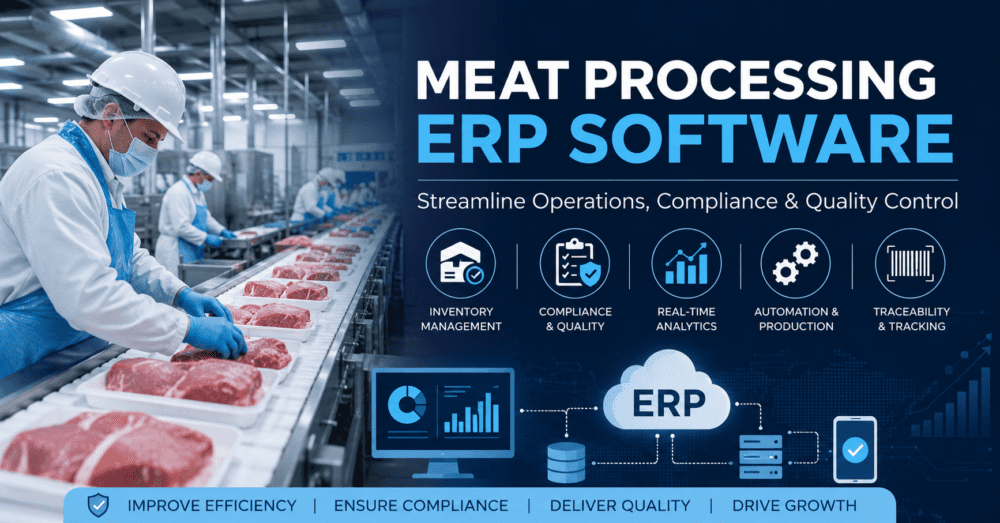
The meat processing industry is experiencing transformative changes driven by technological advancements. Modern facilities must adapt to these changes to stay competitive, efficient, and compliant. Meat Processing Erp Software is at the forefront of this transformation, offering capabilities that streamline operations, enhance compliance, and improve quality control. This article will explore the key features of ERP systems designed specifically for meat processing, how integrated solutions can benefit operations, the importance of compliance and quality control, and the factors to consider when selecting an ERP system for your facility.
Meat Processing Erp Software: Key Features for Enhanced Efficiency
Meat Processing Erp Software is equipped with features that are specifically tailored to the needs of meat processing facilities. These features often include inventory management, order processing, and production scheduling. For example, a robust ERP system can automate the tracking of inventory levels, ensuring that meat products are processed efficiently and meet customer demand. Additionally, ERP systems often incorporate Meat Processing Erp Software elements that support DevOps Pipeline management, enabling seamless updates and system integrations to enhance operational efficiency.
Another key feature of ERP systems is their ability to manage cross-platform compatibility testing. This ensures that different components of the software work harmoniously across various devices and platforms used within the facility. The integration of CI/CD Integration Tools also allows for continuous monitoring and improvement of processes, reducing potential downtime and increasing productivity.
Streamlining Operations with Integrated Solutions
Integrated solutions are crucial for streamlining operations within meat processing facilities. These solutions often involve API Gateway Management to facilitate communication between different software systems, ensuring data flows smoothly across departments. By utilizing SaaS Scalability Metrics, facilities can monitor and adjust their operations to meet fluctuating demands, ensuring resource optimization and cost-effectiveness.
Moreover, a Digital Transformation Roadmap can guide facilities in adopting new technologies and integrating them into existing systems. This roadmap often involves a thorough Tech Stack Assessment, identifying areas for improvement and ensuring that the facility is equipped with the latest technologies to drive efficiency. Recent analysis from Forbes highlights how strategic digital transformation can significantly enhance operational efficiency.
Compliance and Quality Control in Meat Processing
Compliance and quality control are paramount in the meat processing industry, where regulations such as the GDPR Compliance Framework play a significant role in governing data management practices. ERP systems can help facilities maintain compliance by automating documentation and reporting processes, ensuring that all regulatory requirements are met.
Quality control is also enhanced through UX/UI Accessibility Audit features integrated into ERP systems, allowing for a detailed analysis of user interactions and feedback. This ensures that the systems are user-friendly and meet the needs of the staff while maintaining rigorous standards of quality. Additionally, incorporating a Data Governance Policy can help ensure that data is managed ethically and efficiently, supporting overall compliance and quality efforts.
Selecting the Right ERP System for Your Facility
Choosing the right ERP system for a meat processing facility involves careful consideration of several factors. Facilities should evaluate the system’s ability to support Kubernetes Cluster Management, ensuring robust infrastructure and scalability. It’s also important to consider the system’s ability to integrate with existing technologies and processes, such as Microservices Architecture, to facilitate seamless operations.
The selection process should also include an Agile Sprint Retrospective approach, allowing teams to assess and improve the ERP system’s functionality continuously. Furthermore, facilities should ensure that the system is equipped with an Incident Response Playbook, preparing them to handle any disruptions effectively. A comprehensive guide from TechRadar can assist in identifying the best ERP software to meet specific facility needs.
Conclusion
Implementing Meat Processing Erp Software can significantly enhance the operations of modern meat processing facilities. By focusing on efficiency, compliance, and quality control, facilities can improve productivity and maintain high standards. Selecting the right ERP system involves evaluating its features, scalability, and compatibility with existing processes. For facilities looking to thrive in a competitive industry, investing in a strategically designed ERP system is a valuable decision.
