
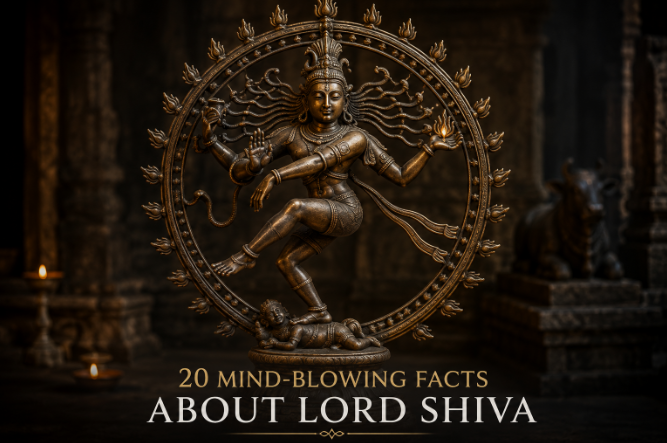
Lord Shiva has fascinated millions of devotees for centuries. Some worship him as Mahadev, while others see him as the supreme yogi, the destroyer of evil, and the source of spiritual wisdom. Unlike many deities, Shiva represents both destruction and creation, silence and power, meditation and transformation.
The symbols associated with him, from the third eye to the crescent moon, carry deeper meanings that continue to inspire people even today. Ancient scriptures, stories, and traditions reveal that Shiva is much more than the destroyer of the universe.
In this article, you will discover some of the most fascinating facts about Lord Shiva, including his origins, symbolism, and the hidden meanings behind his divine forms. These stories and teachings continue to guide millions of devotees around the world.
Table of Contents
Who Is Lord Shiva?
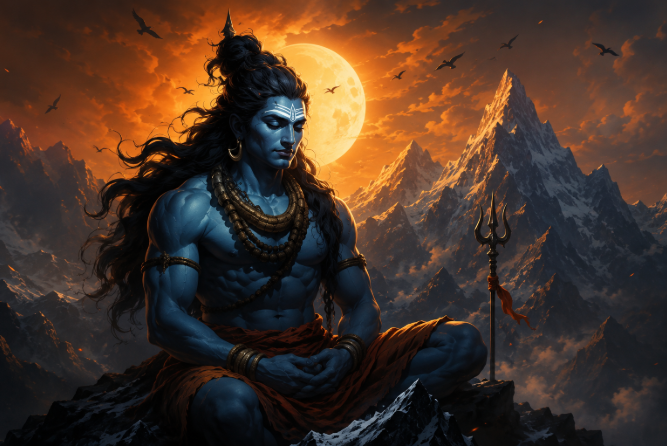
Lord Shiva is one of the principal deities in Hinduism and a member of the Trimurti alongside Brahma and Vishnu. He is known as the destroyer and transformer, but his role goes far beyond destruction. Shiva removes ignorance, ego, and negativity so that new beginnings can emerge. He is worshipped as Mahadev, Adiyogi, Nataraja, and Bholenath, making him one of the most revered gods in Hindu tradition.
1. Shiva Means “The Auspicious One”
One of the most interesting facts about Lord Shiva is the meaning of his name itself. The word “Shiva” means “the auspicious one” or “the one who brings goodness.”
Although he is called the destroyer, Shiva’s destruction is not negative. He destroys evil, ignorance, and attachment so that spiritual growth can begin. This balance between destruction and creation makes him unique among Hindu deities.
2. Lord Shiva Was Once Known as Rudra
Ancient Vedic texts mention a deity called Rudra, who is considered the earlier form of Shiva. Rudra was associated with storms, healing, and powerful natural forces.
Over time, Rudra evolved into Lord Shiva, gaining qualities such as compassion, meditation, and spiritual wisdom. Many scholars believe this transformation explains why Shiva possesses both fierce and peaceful characteristics. Among the lesser-known lord shiva facts, his connection with Rudra remains one of the most fascinating.
3. The Third Eye Represents Higher Consciousness
The third eye on Shiva’s forehead symbolizes wisdom, awareness, and spiritual insight. It is believed that this eye can see beyond the physical world and reveal ultimate truth.
According to mythology, when Shiva opened his third eye, it burned away ignorance and desire. This symbolism teaches devotees that true vision comes not from the eyes but from inner consciousness. Many unknown facts about lord shiva are connected to this powerful symbol.
4. Shiva Drank Poison to Save the Universe
During the Samudra Manthan, a deadly poison called Halahala emerged from the ocean and threatened all creation. To protect the universe, Shiva consumed the poison and held it in his throat.
The poison turned his throat blue, giving him the name Neelkanth, which means “the blue-throated one.” This act represents sacrifice and compassion. Among all the facts about Lord Shiva, this story remains one of the most inspiring.
5. The Ganga Flows Through His Hair
The sacred river Ganga is believed to flow from Shiva’s matted locks. According to legend, the river descended from heaven with tremendous force.
To protect Earth from destruction, Shiva caught the river in his hair and released it gently. This symbolizes control, balance, and divine compassion. It also explains why the Ganga is considered sacred in Hinduism.
6. Mount Kailash Is Shiva’s Home
Hindu traditions describe Mount Kailash as the eternal home of Lord Shiva and Goddess Parvati. The mountain, located in Tibet, is considered one of the holiest places in the world.
Devotees believe Shiva continues to meditate there in a state of eternal peace. Even today, thousands of pilgrims visit the region seeking spiritual blessings and inner transformation.
7. Lord Shiva Is the First Yogi
Shiva is known as Adiyogi, meaning “the first yogi.” He is believed to be the origin of yoga and meditation.
Ancient traditions say that Shiva shared yogic knowledge with the Saptarishis, who spread this wisdom throughout the world. This is one of the most important facts about Lord Shiva because it connects him with spiritual practices that continue to influence millions of people today.
These facts about Lord Shiva reveal that he is far more than the god of destruction. He represents wisdom, sacrifice, transformation, and inner awakening, making him one of the most deeply respected figures in Hindu philosophy.
8. The Trishul Represents Three Powers
Lord Shiva’s trident, known as the Trishul, is one of his most recognizable symbols. It is not just a weapon but a representation of three powerful forces. According to Hindu beliefs, the three prongs symbolize creation, preservation, and destruction. Others interpret them as the past, present, and future.
The Trishul reminds devotees that life constantly moves through different stages. Among the many amazing facts about Lord Shiva, the deeper meaning of the Trishul continues to inspire spiritual seekers.
9. The Snake Around Shiva’s Neck Has Meaning
Many people wonder why Shiva wears a cobra around his neck. The snake symbolizes power, fearlessness, and control over desires. Since snakes shed their skin, they also represent rebirth and transformation.
Shiva wearing the serpent shows that he has conquered fear and death. Some traditions also believe the snake represents time itself, reminding people that life is temporary. These symbolic meanings make it one of the lesser-known hidden facts about Mahadev.
10. Shiva Is Both Destroyer and Creator
People often call Shiva the destroyer, but this description tells only part of the story. Shiva destroys negativity, ignorance, and ego so that new beginnings can emerge. Ancient Hindu texts also describe several destructive weapons used in the Mahabharata, which represented divine power, justice, and cosmic balance.
This balance between destruction and creation is one of the most important facts about Lord Shiva. Without destruction, growth would not be possible. Just as old leaves fall to make way for new ones, Shiva clears away what no longer serves the world.
His role teaches that endings are often necessary for transformation and renewal.
11. He Is Called Bholenath
Lord Shiva is affectionately known as Bholenath, which means “the innocent lord” or “the easily pleased one.” Unlike many deities who require elaborate rituals, Shiva is believed to respond to sincere devotion.
Devotees often offer simple items such as water, milk, and Bilva leaves during worship. This simplicity has made Shiva deeply loved by millions. Many facts about Lord Shiva highlight his compassionate and forgiving nature, making him one of the most approachable deities in Hinduism.
12. Shiva Lives in Cremation Grounds
One of the most unusual aspects of Shiva is his connection with cremation grounds. While many gods are associated with palaces and heavenly worlds, Shiva is often depicted sitting among ashes and funeral grounds.
This symbolism teaches that life is temporary and that material possessions eventually fade away. Shiva reminds devotees to look beyond physical attachments and focus on spiritual growth.
These amazing fact about Lord Shiva reveal how he challenges traditional ideas of wealth, status, and comfort.
13. Ardhanarishvara Represents Balance
Ardhanarishvara is one of Shiva’s most unique forms, where one half of the body is Shiva and the other half is Goddess Parvati. This form symbolizes the balance between masculine and feminine energies.
It teaches that strength and compassion, logic and emotion, and action and nurturing are all equally important. Many spiritual scholars consider this one of the deepest hidden fact about Mahadev, as it reflects the idea that true harmony comes through balance.
14. Nataraja Is the Cosmic Dancer
In his Nataraja form, Shiva performs the cosmic dance known as Tandava. This dance represents the endless cycle of creation, preservation, and destruction that governs the universe.
The ring of fire surrounding Nataraja symbolizes cosmic energy, while his movements represent the rhythm of life itself. Scientists and scholars have often admired this symbolism because it reflects the constant motion of the universe.
Among all the facts about Lord Shiva, the image of Nataraja remains one of the most powerful symbols of transformation, energy, and eternal movement.
15. Nandi Is More Than Shiva’s Vehicle
Nandi, the sacred bull, is much more than Lord Shiva’s vehicle. He is considered Shiva’s greatest devotee and gatekeeper. In almost every Shiva temple, Nandi sits facing the Shiva Lingam, symbolizing complete devotion and faith.
Devotees often whisper their prayers into Nandi’s ears, believing that he carries their messages directly to Mahadev. His loyalty, patience, and strength make him an important figure in Shiva worship.
16. Shiva Lingam Represents Infinity
The Shiva Lingam is one of the most sacred symbols in Hinduism. While many people misunderstand its meaning, it actually represents the infinite nature of the universe and the formless aspect of Shiva.
The Lingam symbolizes creation, energy, and eternal existence. It teaches that the divine cannot always be represented by a physical form. Among the many facts about Lord Shiva, the spiritual meaning of the Shiva Lingam remains one of the deepest.
17. The Number Five Is Sacred to Shiva
The number five holds special importance in Shiva worship. It is connected to the five elements of nature: earth, water, fire, air, and space. Shiva is also associated with five faces, known as Panchamukha Shiva.
The sacred mantra “Om Namah Shivaya” contains five syllables, which represent these elements. Many rituals and traditions connected to Shiva continue to use this number as a symbol of balance and harmony.
18. A Statue of Shiva Exists at CERN
One of the lesser-known facts about Shiva is that a large statue of Nataraja stands at CERN, the European research organization in Switzerland. The statue was gifted by India in 2004.
Nataraja’s cosmic dance symbolizes the continuous movement of the universe, which many people believe reflects the principles of modern physics. This connection between science and spirituality makes it one of the most fascinating aspects of Shiva’s global influence.
19. Maha Shivaratri Is the Great Night of Shiva
Maha Shivaratri is the most important festival dedicated to Lord Shiva. It is celebrated every year during February or March according to the lunar calendar.
Devotees observe fasting, perform prayers, chant “Om Namah Shivaya,” and stay awake throughout the night. Many believe this festival marks the marriage of Shiva and Parvati, while others see it as the night of Shiva’s cosmic dance. It remains one of the most significant occasions for Shiva devotees around the world.
20. Shiva Represents Ultimate Freedom
Above all, Shiva represents liberation, also known as moksha. He teaches people to rise above fear, attachment, ego, and material desires.
Shiva lives simply, meditates deeply, and remains detached from worldly possessions. His teachings remind devotees that true freedom comes from inner peace rather than external success. This spiritual message continues to inspire millions even today.
FAQs
Why does Shiva have a third eye?
Shiva’s third eye symbolizes higher consciousness, wisdom, and the ability to destroy ignorance and evil.
Why is Shiva called Neelkanth?
Shiva is called Neelkanth because he drank the deadly Halahala poison during the Samudra Manthan, which turned his throat blue.
Why does Shiva wear a snake?
The snake represents fearlessness, rebirth, and control over desires. It also symbolizes Shiva’s power over death and time.
Where does Shiva live?
According to Hindu beliefs, Lord Shiva resides on Mount Kailash in the Himalayas along with Goddess Parvati.
What is Shiva’s biggest festival?
Maha Shivaratri is considered the biggest and most important festival dedicated to Lord Shiva.
Conclusion
Lord Shiva is much more than the destroyer described in ancient scriptures. He represents wisdom, balance, sacrifice, meditation, and spiritual freedom. These facts about Lord Shiva reveal the deeper meanings behind his symbols, stories, and teachings. Whether as Mahadev, Adiyogi, or Nataraja, Shiva continues to inspire millions of devotees and spiritual seekers across the world, reminding us that true transformation begins within.
The stories of Shiva, the Ramayana, and the Mahabharata continue to shape Hindu philosophy. Exploring the common characters in Ramayana and Mahabharata can provide even greater insight into these ancient traditions.
